Каталог товаров
- Пн - Вс с 9:00 - 17:00
-
Ваш город: Ростов-на-ДонуВыбрать регионЗакрытьПоискТаганрогАзовШахтыВолгодонскНовочеркасскБатайскНовошахтинскВаш город Ростов-на-Дону?
- Вход
- Регистрация

Лакокрасочные материалы и инструменты
+7 (918) 851-53-00Заказать звонок
Сообщение отправлено
Ваше сообщение успешно отправлено. В ближайшее время с Вами свяжется наш специалист
Закрыть окно
Каталог товаров







Younger Version: Addison Vodka Wife Wants The
Alternatively, perhaps the user is referring to a specific viral video. For example, the "Addison Rae Vodka Wife" might be a scenario from a TikTok video where she's jokingly saying she wants the younger version of something. Let me think. Addison Rae is a TikTok star and YouTuber, so maybe there's a video where she did a "before and after" trend, but she's saying she wants the younger version of her wife if she were in a relationship. Wait, but she's single. Maybe it's a fictional roleplay where she imagines being a wife who wants to go back in time with her partner.
Alternatively, perhaps "Addison Vodka" is a real person in the industry, like a bartender, influencer, or content creator, and the user wants a feature on their content. If so, I might need to structure the article around their work, but since there's no known figure with that name, I should treat it as fictional. Addison Vodka Wife Wants The Younger Version
At its core, the “Addison Vodka Wife” scenario imagines a relationship where one partner, often humorously or metaphorically dubbed “The Wife,” expresses a longing for the younger iteration of their significant other—whether they’re seeking a partner from their own past or humorously critiquing a more carefree, vibrant version of themselves. This narrative taps into the tension between how we remember others and ourselves versus the complexities of the present. It’s a lighthearted exploration of how younger versions of people (or us) are often romanticized, stripped of modern struggles but amplified by memories of joy and spontaneity. Alternatively, perhaps the user is referring to a
Wait, there's a trend where people create fake scenarios for humor, like "I want to go back in time and...". Maybe "Addison Vodka" is a play on a name, and "Wife Wants The Younger Version" is part of a fictional story. Maybe it's a fictional scenario where the character named Addison is a vodka lover who wants to go back in time to a younger version of herself. Or maybe it's a parody of someone's past. Addison Rae is a TikTok star and YouTuber,
The trend likely gained traction on platforms like TikTok and Instagram, where users engage in roleplay, hypothetical scenarios, or storytelling to explore personal narratives. It aligns with viral formats such as “If I could go back…” or “Would you rather…” challenges, which encourage imagination and relatability. The phrase “Addison Vodka Wife” may stem from a fictional character, a playful meme, or even a misinterpretation of real-life figures, but its resonance lies in the universal theme it evokes: the desire to revisit or reshape the past.
Wait, but the user specified "Addison Vodka Wife Wants The Younger Version." Maybe "Vodka Wife" is a term of endearment or a joke. Alternatively, it could be a play on the term "Vodka" as part of a relationship joke, like the wife wanting a younger version of her husband who might have been more active or carefree before. But without concrete references, I need to assume it's a fictional scenario.
The “Addison Vodka Wife” concept joins a long line of cultural tropes and trends that romanticize time travel and reinvention. From movies like Pleasantville to the “What Would [Person] Do?” meme, audiences are drawn to the idea of contrasting eras and versions of people. Similarly, the trend mirrors the popularity of “before and after” content, which celebrates growth while acknowledging the allure of the past. It also parallels the surge in retro aesthetics, vintage fashion, and even the return of older technology, all of which highlight society’s complex relationship with progress and nostalgia.


Alternatively, perhaps the user is referring to a specific viral video. For example, the "Addison Rae Vodka Wife" might be a scenario from a TikTok video where she's jokingly saying she wants the younger version of something. Let me think. Addison Rae is a TikTok star and YouTuber, so maybe there's a video where she did a "before and after" trend, but she's saying she wants the younger version of her wife if she were in a relationship. Wait, but she's single. Maybe it's a fictional roleplay where she imagines being a wife who wants to go back in time with her partner.
Alternatively, perhaps "Addison Vodka" is a real person in the industry, like a bartender, influencer, or content creator, and the user wants a feature on their content. If so, I might need to structure the article around their work, but since there's no known figure with that name, I should treat it as fictional.
At its core, the “Addison Vodka Wife” scenario imagines a relationship where one partner, often humorously or metaphorically dubbed “The Wife,” expresses a longing for the younger iteration of their significant other—whether they’re seeking a partner from their own past or humorously critiquing a more carefree, vibrant version of themselves. This narrative taps into the tension between how we remember others and ourselves versus the complexities of the present. It’s a lighthearted exploration of how younger versions of people (or us) are often romanticized, stripped of modern struggles but amplified by memories of joy and spontaneity.
Wait, there's a trend where people create fake scenarios for humor, like "I want to go back in time and...". Maybe "Addison Vodka" is a play on a name, and "Wife Wants The Younger Version" is part of a fictional story. Maybe it's a fictional scenario where the character named Addison is a vodka lover who wants to go back in time to a younger version of herself. Or maybe it's a parody of someone's past.
The trend likely gained traction on platforms like TikTok and Instagram, where users engage in roleplay, hypothetical scenarios, or storytelling to explore personal narratives. It aligns with viral formats such as “If I could go back…” or “Would you rather…” challenges, which encourage imagination and relatability. The phrase “Addison Vodka Wife” may stem from a fictional character, a playful meme, or even a misinterpretation of real-life figures, but its resonance lies in the universal theme it evokes: the desire to revisit or reshape the past.
Wait, but the user specified "Addison Vodka Wife Wants The Younger Version." Maybe "Vodka Wife" is a term of endearment or a joke. Alternatively, it could be a play on the term "Vodka" as part of a relationship joke, like the wife wanting a younger version of her husband who might have been more active or carefree before. But without concrete references, I need to assume it's a fictional scenario.
The “Addison Vodka Wife” concept joins a long line of cultural tropes and trends that romanticize time travel and reinvention. From movies like Pleasantville to the “What Would [Person] Do?” meme, audiences are drawn to the idea of contrasting eras and versions of people. Similarly, the trend mirrors the popularity of “before and after” content, which celebrates growth while acknowledging the allure of the past. It also parallels the surge in retro aesthetics, vintage fashion, and even the return of older technology, all of which highlight society’s complex relationship with progress and nostalgia.
 В корзину
 Купить в 1 клик
 Нашли дешевле
 Рассчитать доставку
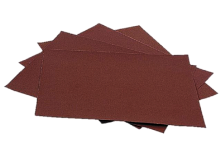
Наждачка SIA по мокрому №320
Сообщение отправлено
Ваше сообщение успешно отправлено. В ближайшее время с Вами свяжется наш специалист
Закрыть окно

Интернет-магазин профессиональных материалов для кузовного ремонта и ухода за автомобилем г. Ростов-на-Дону ул. Панфиловцев, 11, г. Ростов-на-Дону ул. Белорусская 106, г. Азов ул. Кооперативная 10а, г. Таганрог ул. Сызранова 4. Посмотреть на карте |