Enhanced/Dual Powered
Willem EPROM Programmer
User Guide
Main Board / Cables
Main Board PCB3.5
Main Board PCB4E

Main Board PCB5.0

Main Board PCB5.5C

|
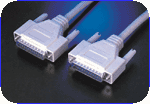
Parallel Data Cable (Printer extension cable, with male-female 25 pin connector, and pin to pin through) |
A-A type USB cable(for power) |
|
|
|
Optional Items:
|
ATMEL 89 Adapter |
ATMEL PLCC 44 Adapter |
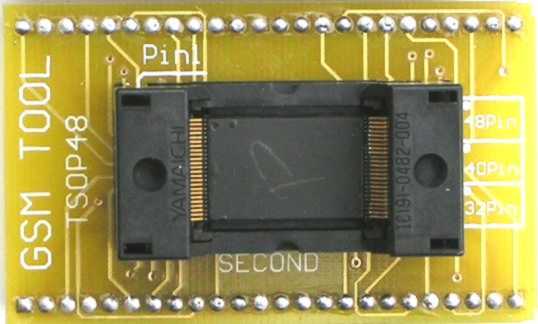
TSOP 48 Adapter |
|
|
|
|
|
FWH/HUB PLCC32Adapter |
PLCC32 Adapter |
SOIC Adapter(Simplified) |
|
On-Board |
On-Board |
|
|
AC or DC Power Adapter (9V or 12V, 200mA) |
SOIC Adapter(Professional) |
|
|
|
|
|
The viral video, which has been shared on various social media platforms, appears to show Nazia engaging in a conversation or activity that has been deemed unacceptable by some online users. The content of the video is not the focus of this piece; instead, it's the reaction to it that warrants attention.
In today's digital age, social media has become an integral part of our lives. Platforms like Twitter, Instagram, and Facebook have made it easier for us to share and access information, connect with others, and express ourselves. However, this increased connectivity has also led to the rapid dissemination of misinformation, controversy, and online drama. nazia karachi mms scandal wmv full
As the video began to circulate, social media users took to their respective platforms to express their opinions, with some condemning Nazia's actions and others defending her. The discussion quickly escalated, with many users calling for the video to be taken down, while others argued that it was a private matter that had been blown out of proportion. The viral video, which has been shared on
The Nazia Karachi WMV viral video and the subsequent social media discussion serve as a reminder of the power and pitfalls of online platforms. As we continue to navigate the complexities of social media, it's essential that we prioritize empathy, understanding, and responsible online behavior. Platforms like Twitter, Instagram, and Facebook have made
The recent Nazia Karachi WMV viral video is a prime example of this. The video, which features Nazia, a Karachi-based individual, has been making rounds on social media platforms, sparking heated discussions, and raising questions about online behavior, cyberbullying, and the responsibility that comes with social media usage.
Ultimately, the way we respond to online controversies like this one will shape the future of social media and our digital lives. By engaging in constructive discussions and promoting a culture of kindness and respect, we can work towards creating a safer, more inclusive online environment for all.
Hardware Installation & Configuration
|
Installation Steps
(Note: the LPT port of PC MUST set to ECP or ECP+EPP during BIOS setup. To enter the BIOS setting mode, you need press "Del" key or "F1" key during the computer selftest, which is the moment of computer just power up.)
Software Version To Use | |||
| |||
|
| |||
|
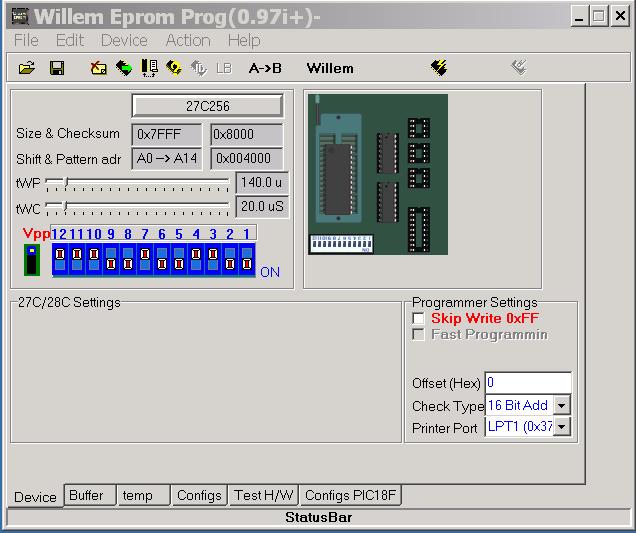
The software interface:
| |||
|
| |||
|
Hardware
Check
| |||
|
PCB3.5/PCB4E
PCB5.0
PCB5.5C
Note: the Vcc setting jumper only has effect when you are using AC adaptor as power source. For the USB power only 5V Vcc is available. For the PCB5.5C, set DIP steps: 1. press DIP Set button twice to check current DIP bit position. Then set it again for ON or OFF. 2. press DIP Bit shift button to shift the DIP bit position to where need to set. And then press DIP Set button twice to check current DIP bit position. Then set it again for ON or OFF. 3. Repeat those steps till all DIP bit ae set same as software indicated. For PCB5.5C voltage and Special chip selection: 1. Put back the safety jumper. 2. Press the voltage button and hold for 1 second, the voltage LED should move to next. Repeat till desired voltage LED light up. 3. Press the chip selection button and hold for 1 second, the chip LED should move to next. Repeat till desired LED light up. 4. Remove the safety jumper to lock the selected voltage and chip selection
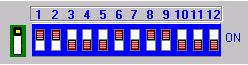
DIP Switch (PCB3.5, PCB5.0)
When programming one chip, follow the program prompt to set DIP switch .
|
The viral video, which has been shared on various social media platforms, appears to show Nazia engaging in a conversation or activity that has been deemed unacceptable by some online users. The content of the video is not the focus of this piece; instead, it's the reaction to it that warrants attention.
In today's digital age, social media has become an integral part of our lives. Platforms like Twitter, Instagram, and Facebook have made it easier for us to share and access information, connect with others, and express ourselves. However, this increased connectivity has also led to the rapid dissemination of misinformation, controversy, and online drama.
As the video began to circulate, social media users took to their respective platforms to express their opinions, with some condemning Nazia's actions and others defending her. The discussion quickly escalated, with many users calling for the video to be taken down, while others argued that it was a private matter that had been blown out of proportion.
The Nazia Karachi WMV viral video and the subsequent social media discussion serve as a reminder of the power and pitfalls of online platforms. As we continue to navigate the complexities of social media, it's essential that we prioritize empathy, understanding, and responsible online behavior.
The recent Nazia Karachi WMV viral video is a prime example of this. The video, which features Nazia, a Karachi-based individual, has been making rounds on social media platforms, sparking heated discussions, and raising questions about online behavior, cyberbullying, and the responsibility that comes with social media usage.
Ultimately, the way we respond to online controversies like this one will shape the future of social media and our digital lives. By engaging in constructive discussions and promoting a culture of kindness and respect, we can work towards creating a safer, more inclusive online environment for all.