Loading...




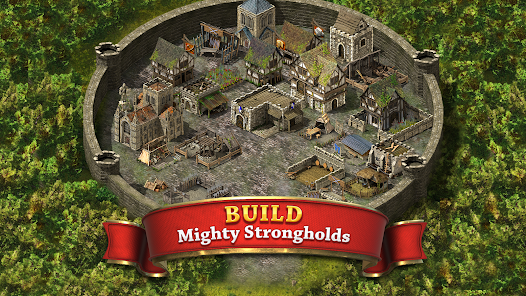
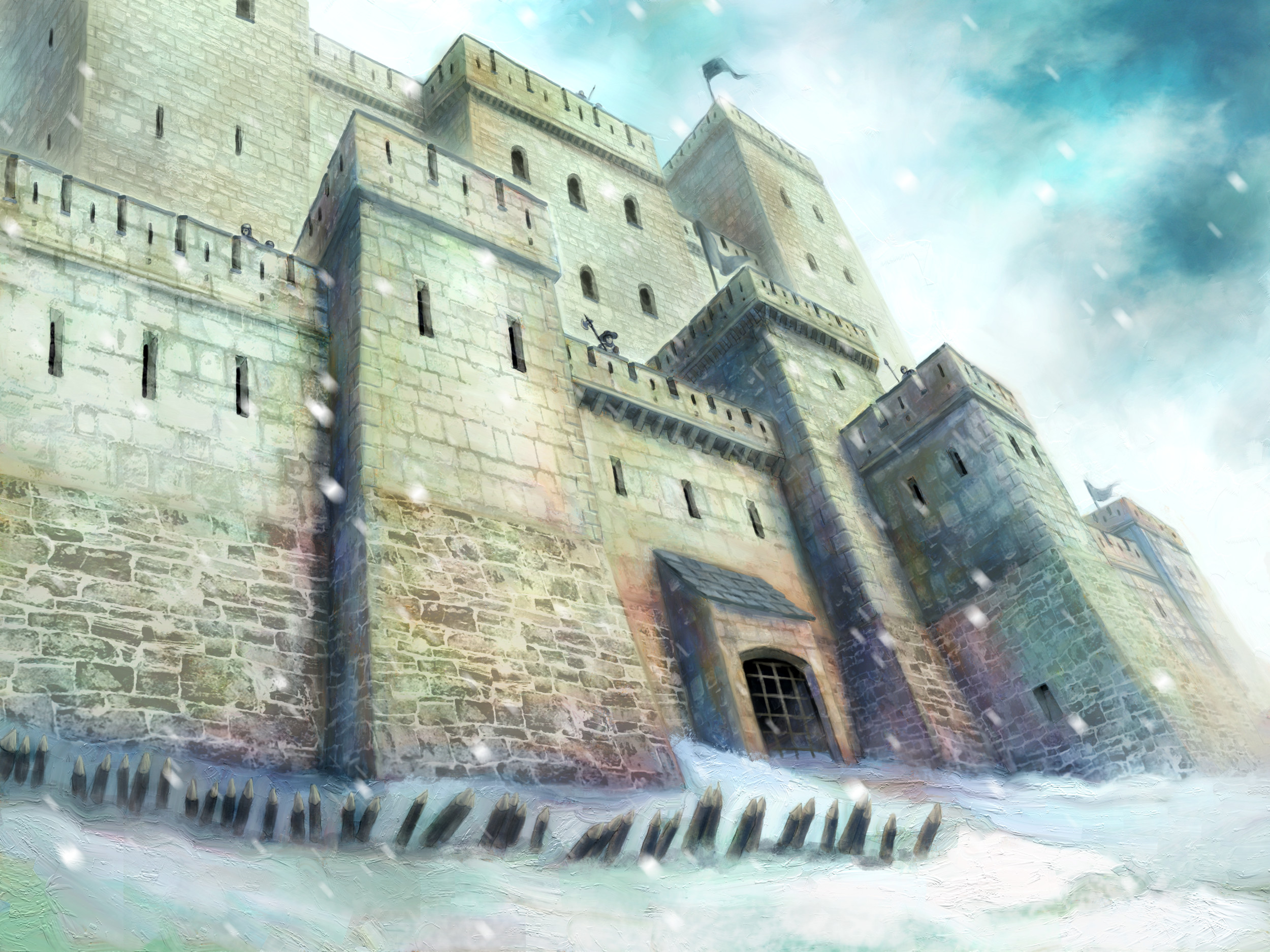
Design your own castle and crush invading hordes with an impenetrable stronghold. Your kingdom awaits and the battle has just begun!
 Build a Medieval Kingdom
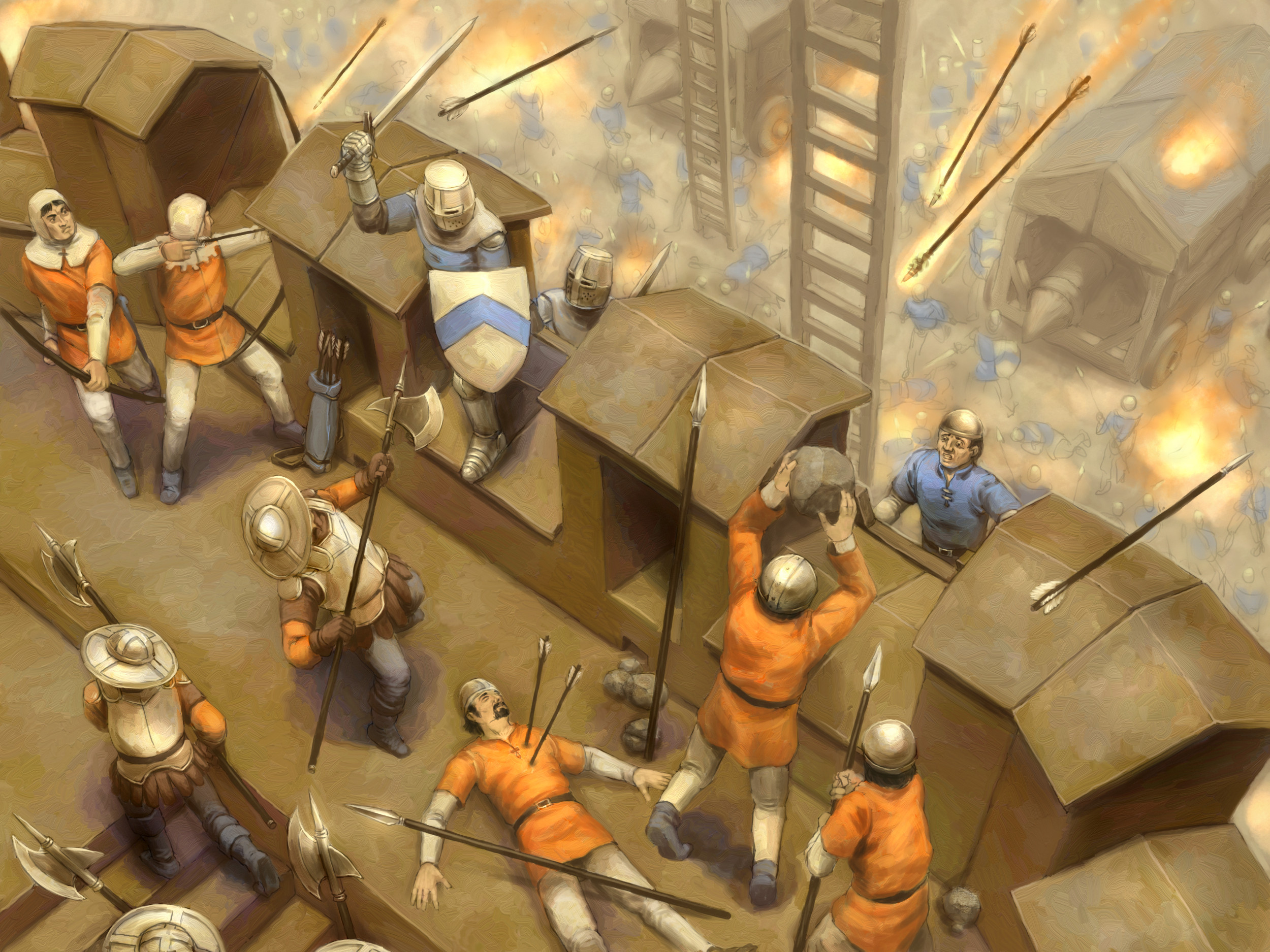
Design mighty castles, forge alliances and fight for the throne in Stronghold Kingdoms - an immersive castle MMO with grand strategy, city-building, castle sieges and political mind games.
 Recruit An Army
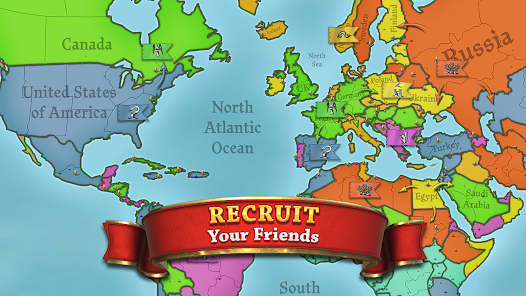
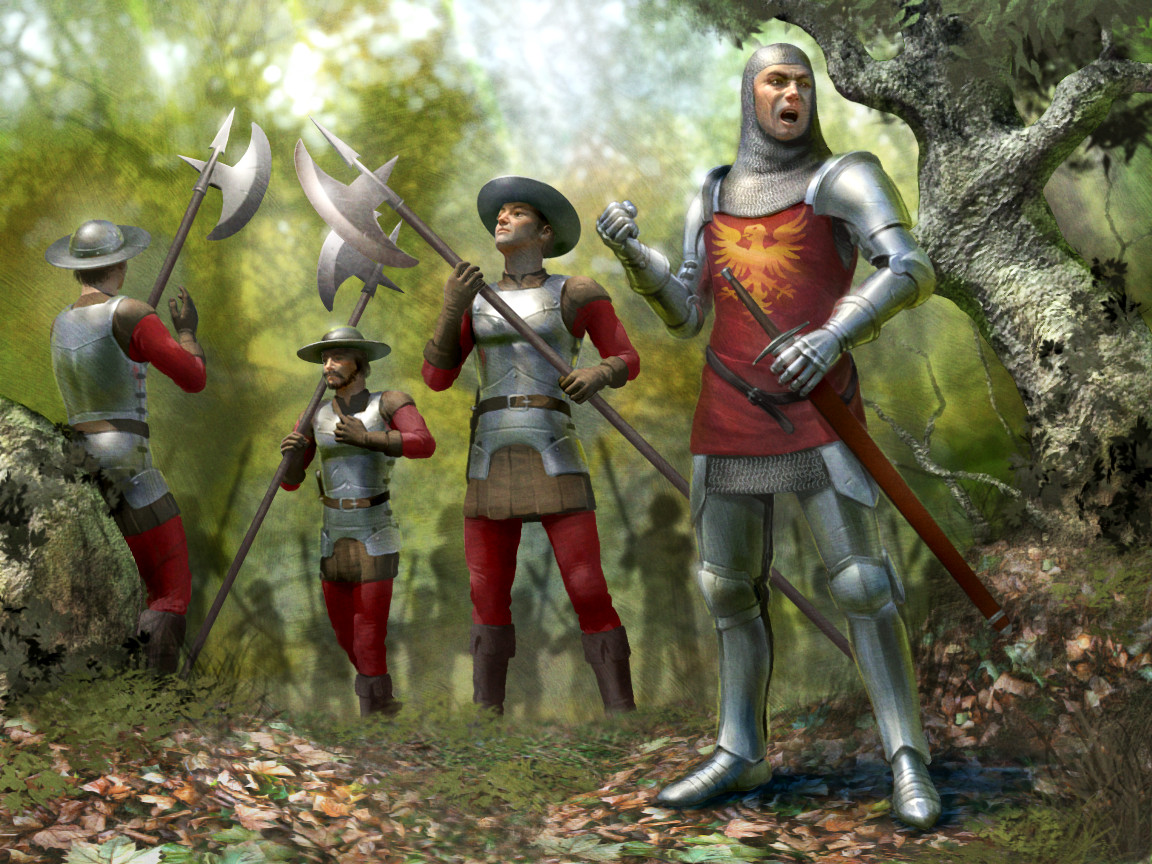
Rally your troops and battle across the World Map, engaging in real-time, PvP warfare with thousands of players worldwide. Cross-play on PC, Mac, iOS and Android, as you expand your empire and lead your friends to victory.
 Rule An Empire
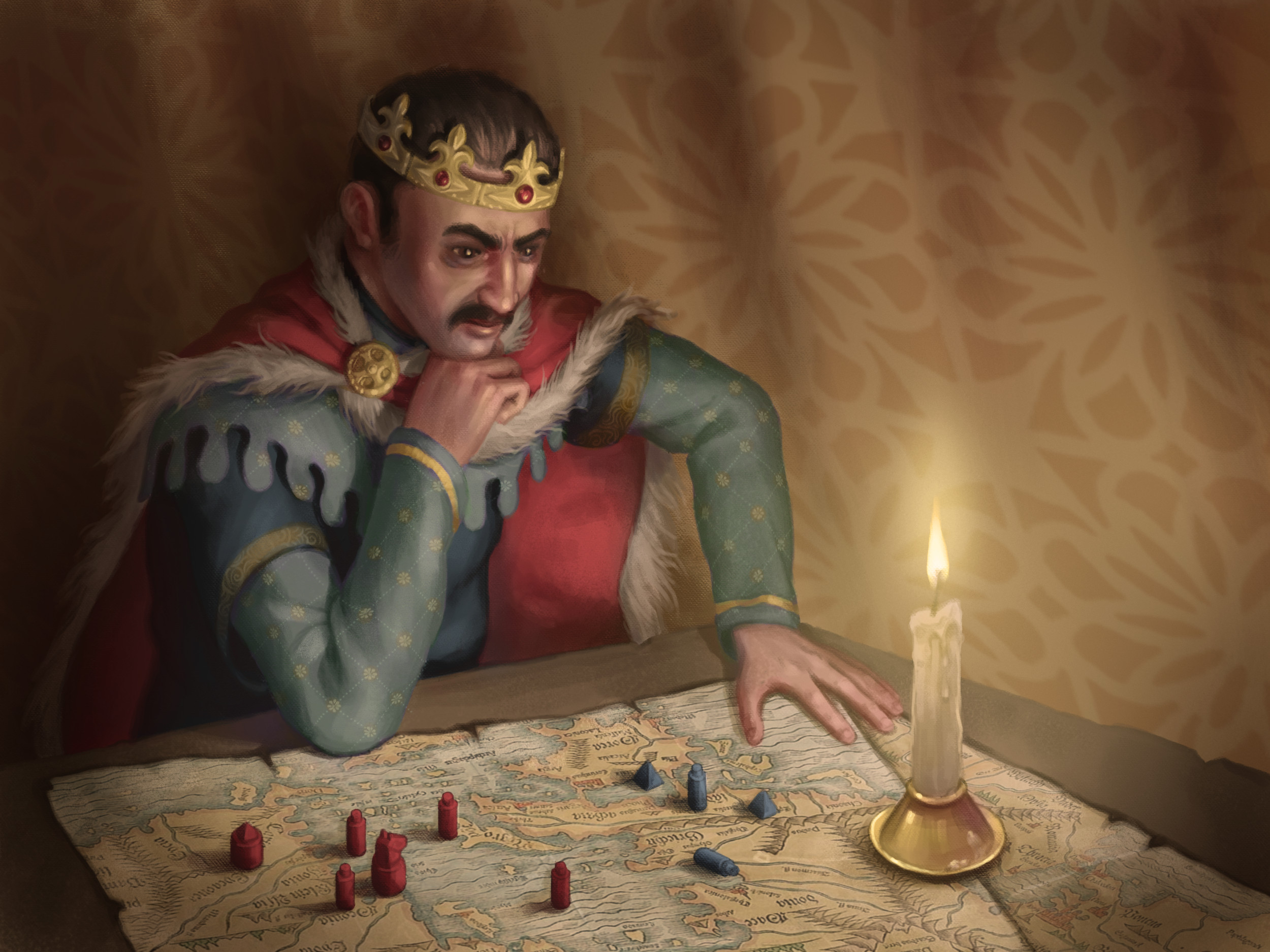
Conquer entire countries as you rise through the ranks and become ruler of your own kingdom. Peaceful diplomat or ruthless warrior? How will you play?
Another point: the user might not be aware that academic databases and libraries offer free resources. Directing them to JSTOR, HeinOnline, or their university library's interlibrary loan service could be helpful. Also, mentioning open-source legal research tools like Justia or CALI-Legal might be useful.
There's also a possibility of copyright infringement. If the user wants to create a summary of the book (assuming it exists), I should remind them to adhere to fair use policies and not reproduce the content. Instead, offer guidance on writing a summary using existing knowledge and credible sources.
: Analyzing the 12th Edition of "Evidence" by Prince Richardson: A Critical Overview
I should also consider the user's intent. Are they trying to find a free resource because of financial constraints, or did they misremember the title and author? If the book doesn't exist, suggesting alternatives is better than creating a paper based on non-existent material. They might benefit from similar texts like "Criminal Evidence" by Joel L. Fleishman or "Evidence" by William C. LaFave, which are more commonly recognized.
: Briefly summarize the author’s approach to evidence law, emphasizing key themes like admissibility standards, ethical obligations, or modern challenges (e.g., digital evidence).
Next, considering the request for a free paper, the user might be a law student who needs help with an assignment and can't afford textbooks. But since the author isn't widely recognized, I need to verify the book’s authenticity. Maybe it's a newer publication or translated version? I'll check academic databases and online bookstores. If I can't find it, the user might be referencing a different book incorrectly.
Finally, I need to structure the response to cover these points: verifying the book's existence, offering alternative resources, ethical considerations, and providing a sample paper outline if the book is real. This way, the user gets a comprehensive answer while avoiding potential issues with providing non-existent information.