Wir bitten Sie, Ihren Webbrowser oder den verwendeten ComNorm Client zu aktualisieren. Verwenden Sie für die optimale Funktion der Webseite die aktuelle Version des Google Chrome, Microsoft Edge, Firefox oder Safari Webbrowsers. Diese Webbrowser können Sie bei den jeweiligen Softwareherstellern direkt herunterladen. Für das Update Ihres ComNorm Client nehmen Sie bitte Kontakt mit Ihrem ERP-Hersteller auf.
One of the most significant community-driven solutions involved adjusting the game's configuration files to optimize performance. Players experimented with lowering texture quality, disabling dynamic lighting, and tweaking other graphical settings to find a balance between visual fidelity and performance. Additionally, some players utilized programs designed to clean up system resources, ensuring that no other applications were hogging CPU or GPU power.
In the absence of official patches or support from the developers, the gaming community stepped in to devise their own fixes and workarounds. Forums, social media, and gaming websites became hotbeds of activity as players shared their experiences and potential solutions. These community-driven efforts ranged from simple tweaks, such as adjusting game settings to reduce graphical fidelity and thus improve performance, to more complex solutions involving file edits and the use of third-party software.
As the video game industry continues to evolve, with increasingly complex and visually stunning titles being released, the lessons learned from Prototype 2's performance issues remain relevant. Developers must prioritize optimization and performance, ensuring that their games not only look and feel great but also run smoothly across a wide range of hardware configurations. Only through such efforts can developers hope to deliver the kind of seamless, engaging experiences that modern gamers have come to expect.
Fehler melden
Vielen Dank für Ihre Hilfe bei der Verbesserung von unserem Online-Shop. Bitte machen Sie möglichst detaillierte Angaben zu:
HAWA-Vertical 150/3+5
Vielen Dank für Ihre Mitteilung. Es wurde bei uns im System ein Task für die Produktdaten-Optimierung erstellt. Weitere Informationen werden Ihnen per Email zugestellt.
wird geladen...
Ihr Feedback wird versendet.
Leider ist ein Fehler ist aufgetreten. Versuchen Sie es bitte später nochmals.
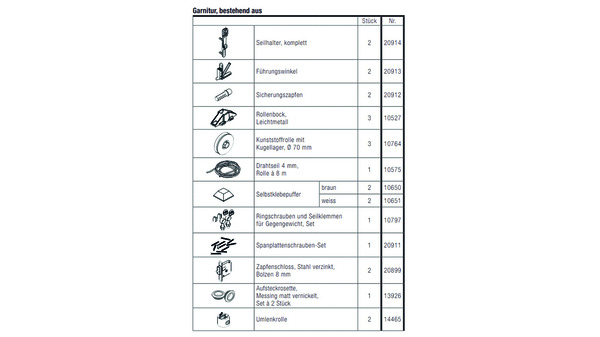 HAWA-Vertical 150/3+5