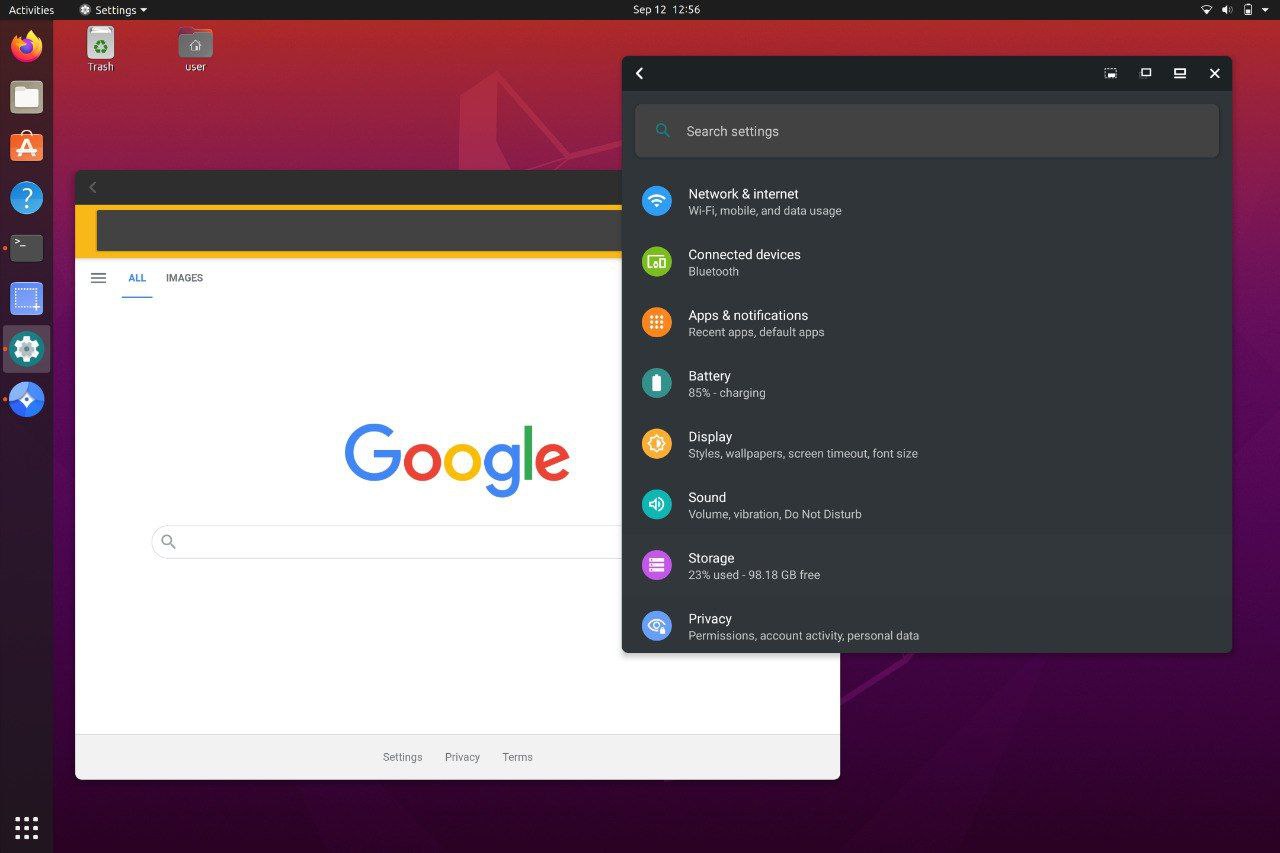
A container-based approach to boot a full Android system on regular GNU/Linux systems running Wayland based desktop environments.
Overview The SP9853I is a system-on-chip (SoC) commonly used in Android TV boxes, set-top boxes, and other consumer media devices. The "1H10" denotes a firmware build or board/revision identifier; "VMM" typically refers to the bootloader or firmware module responsible for Virtual Memory Management or a vendor-specific firmware component (in some contexts VMM = Vendor Microcode/Module). A "VMM firmware update" for SP9853I 1H10 implies updating low-level firmware components — often involving the bootloader, memory initialization code, power management, or vendor middleware — rather than just an Android OTA.
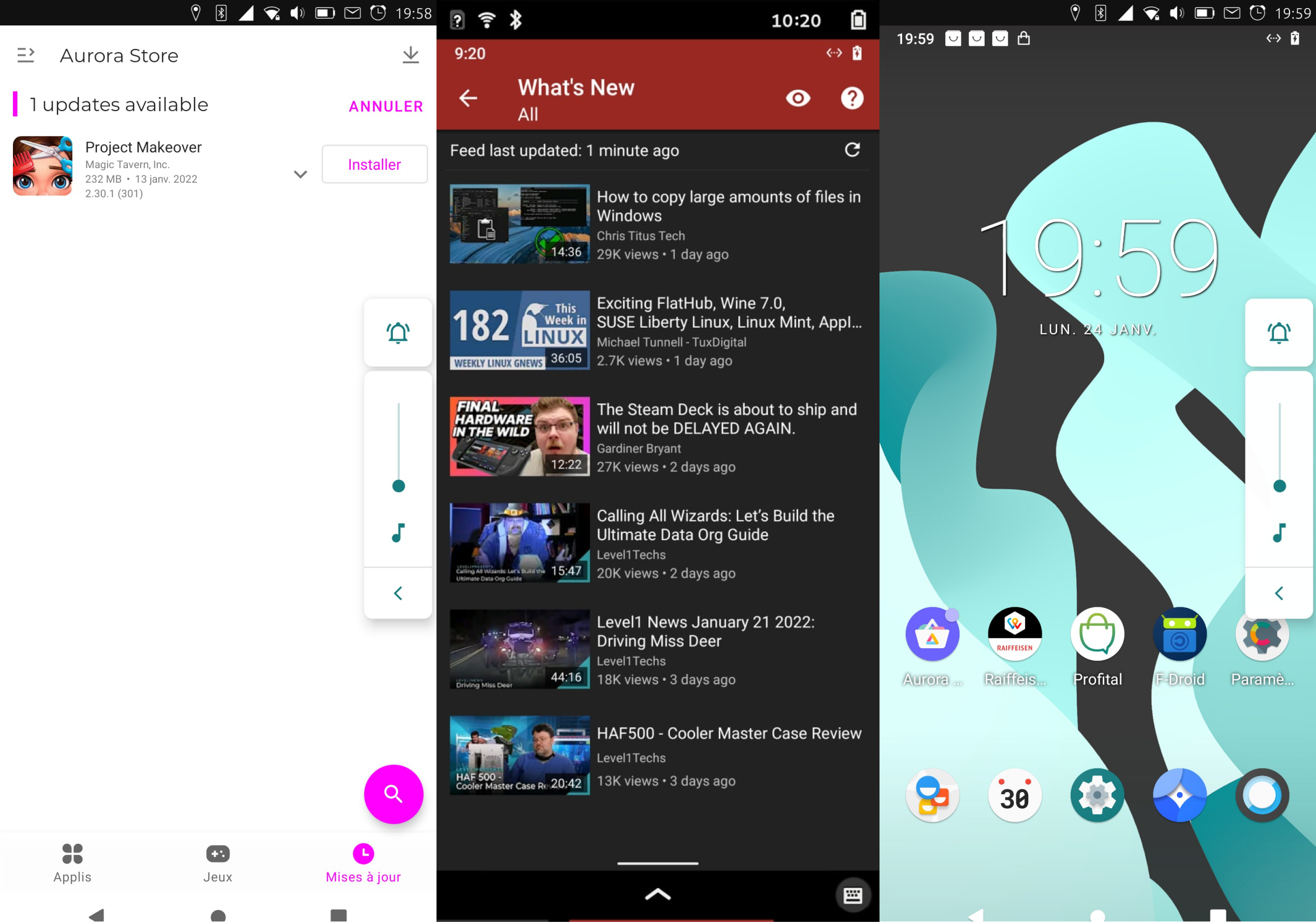
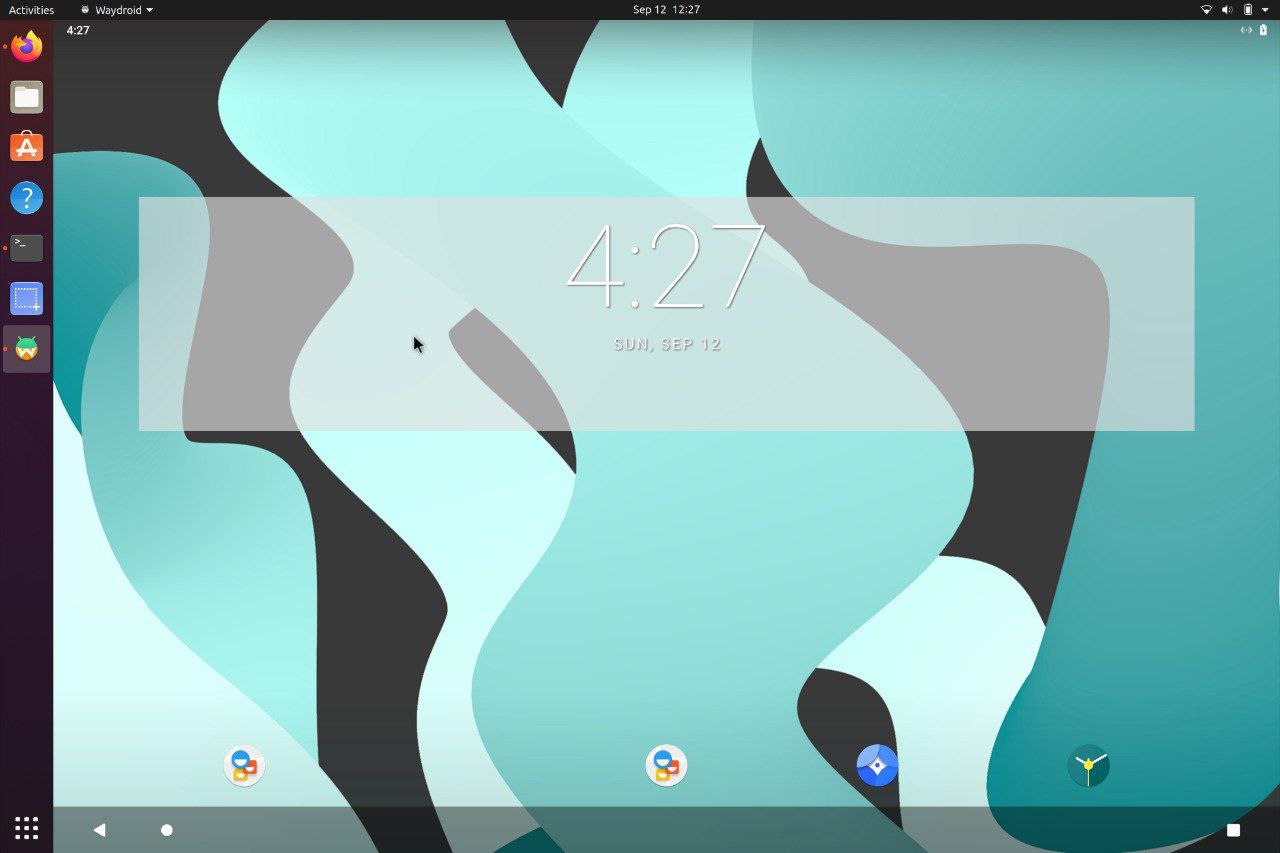
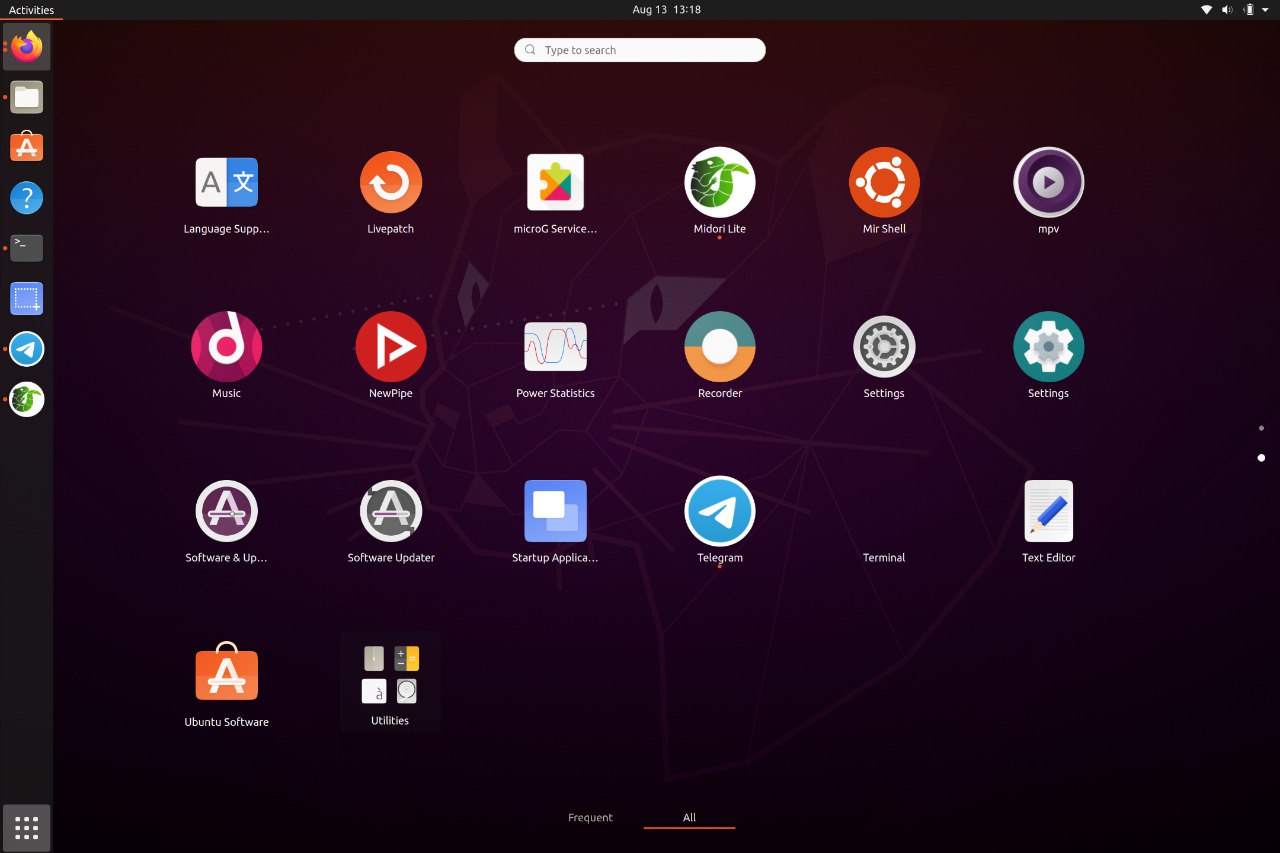
Waydroid brings all the apps you love, right to your desktop, working side by side your Linux applications.
The Android inside the container has direct access to needed hardwares.
The Android runtime environment ships with a minimal customized Android system image based on LineageOS. The used image is currently based on Android 13
Our documentation site can be found at docs.waydro.id
Bug Reports can be filed on our repo Github Repo
Our development repositories are hosted on Github
Please refer to our installation docs for complete installation guide.
You can also manually download our images from
SourceForge
For systemd distributions
Follow the install instructions for your linux distribution. You can find a list in our docs.
After installing you should start the waydroid-container service, if it was not started automatically:
sudo systemctl enable --now waydroid-container
Then launch Waydroid from the applications menu and follow the first-launch wizard.
If prompted, use the following links for System OTA and Vendor OTA:
https://ota.waydro.id/system
https://ota.waydro.id/vendor
For further instructions, please visit the docs site here
Overview The SP9853I is a system-on-chip (SoC) commonly used in Android TV boxes, set-top boxes, and other consumer media devices. The "1H10" denotes a firmware build or board/revision identifier; "VMM" typically refers to the bootloader or firmware module responsible for Virtual Memory Management or a vendor-specific firmware component (in some contexts VMM = Vendor Microcode/Module). A "VMM firmware update" for SP9853I 1H10 implies updating low-level firmware components — often involving the bootloader, memory initialization code, power management, or vendor middleware — rather than just an Android OTA.
Here are the members of our team